

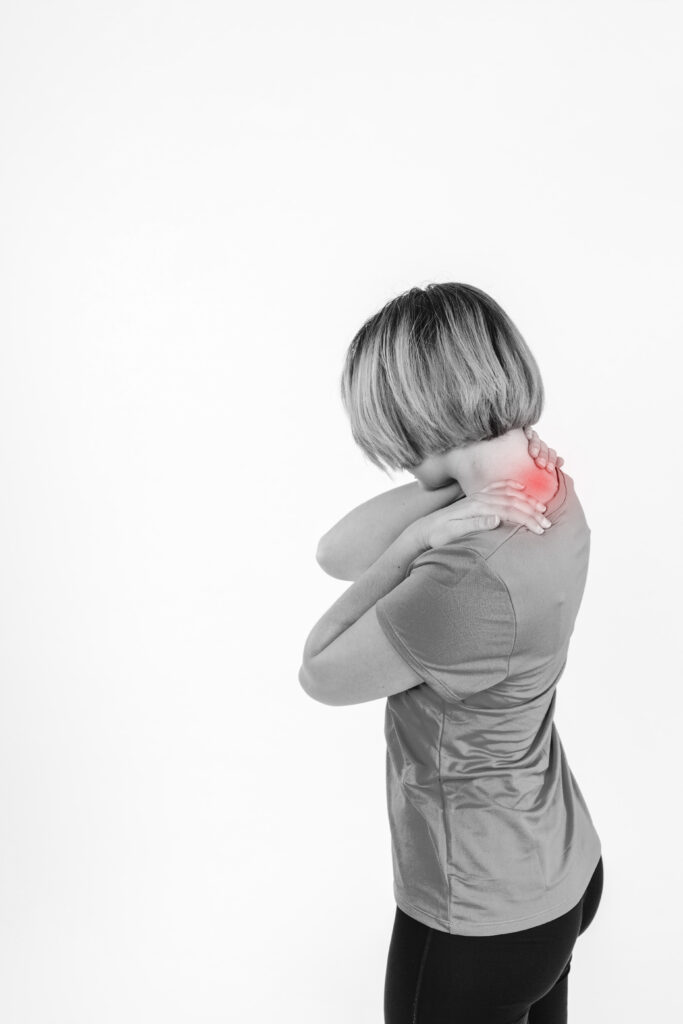
Complex Regional Pain Syndrome (CRPS) is a chronic pain condition that typically develops after an injury, surgery, or trauma. Unlike normal pain, CRPS is severe, persistent, and often disproportionate to the original injury. It primarily affects the arms, legs, hands, or feet and can significantly impact mobility and quality of life.
There are two main types of CRPS:
- Type 1: Occurs without confirmed nerve injury (formerly known as Reflex Sympathetic Dystrophy).
- Type 2: Occurs with confirmed nerve damage.
What Causes CRPS?
The exact cause of CRPS is not fully understood, but it is believed to result from abnormal responses in the peripheral and central nervous systems. Common triggers include:
- Fractures or severe injuries
- Surgical procedures
- Nerve injuries
- Prolonged immobilization
In some cases, even a minor injury can lead to CRPS, making early recognition and treatment essential.
Symptoms of CRPS
CRPS symptoms can vary but are often more severe than typical injury pain. Common signs include:
- Intense burning or throbbing pain
- Increased sensitivity to touch or temperature
- Swelling and stiffness in joints
- Skin changes (color, temperature, or texture)
- Abnormal hair or nail growth
- Decreased mobility and muscle weakness
If left untreated, CRPS can worsen over time and lead to long-term complications.
How Is CRPS Diagnosed?
There is no single test for CRPS, so diagnosis is based on clinical evaluation and ruling out other conditions. Physicians often use the Budapest Criteria, which assess:
- Persistent, disproportionate pain
- Symptoms and signs in multiple categories (sensory, motor, vasomotor, and sudomotor)
Additional tests may include bone scans, MRIs, and nerve studies to confirm the diagnosis and guide treatment.
Treatment Options for CRPS
While there is no definitive cure for CRPS, early and comprehensive treatment can significantly improve symptoms and restore function. At HTX Pain Care, we provide advanced solutions tailored to each patient’s needs, including:
Medications
- Anti-inflammatory drugs
- Neuropathic pain medications
- Topical treatments
Physical Therapy
Regular movement helps maintain flexibility, prevent stiffness, and improve blood flow.
Interventional Procedures
- Sympathetic Nerve Blocks to reduce pain signals
- Spinal Cord Stimulation (SCS): A minimally invasive procedure where a device is implanted to deliver electrical impulses to the spinal cord, reducing pain perception.
Other Treatments
- Mirror therapy and desensitization techniques
- Psychological support for coping with chronic pain
At HTX Pain Care, we specialize in spinal cord stimulation and other advanced pain management procedures to help CRPS patients regain control of their lives.
Living with CRPS: Tips for Chronic Pain Management
- Early treatment matters—the sooner CRPS is addressed, the better the outcomes.
- Stay active—movement and gentle exercises prevent complications.
- Manage stress—mental health plays a crucial role in pain perception.
- Work with specialists—our team provides personalized care plans for long-term relief.
Conclusion
CRPS is a complex condition, but with the right approach, it can be managed effectively. At HTX Pain Care, we combine cutting-edge treatments like spinal cord stimulation with personalized therapy plans to help you regain your quality of life.
If you’re experiencing chronic pain that won’t go away, don’t wait. Schedule an appointment with HTX Pain Care today.